The appeal of traveling for surgery — especially to Utah — often comes down to cost. But the real calculation includes safety, follow-up access, accountability, and long-term outcomes. Here's why local is better.
We hear it regularly: a patient has been comparing prices online, found a clinic in Salt Lake City — or even farther — and is wondering whether it makes sense to travel for surgery. As a board-certified plastic surgeon who has seen patients from all over the region, I want to give you an honest answer.
1. Plastic Surgery Requires Multiple Visits
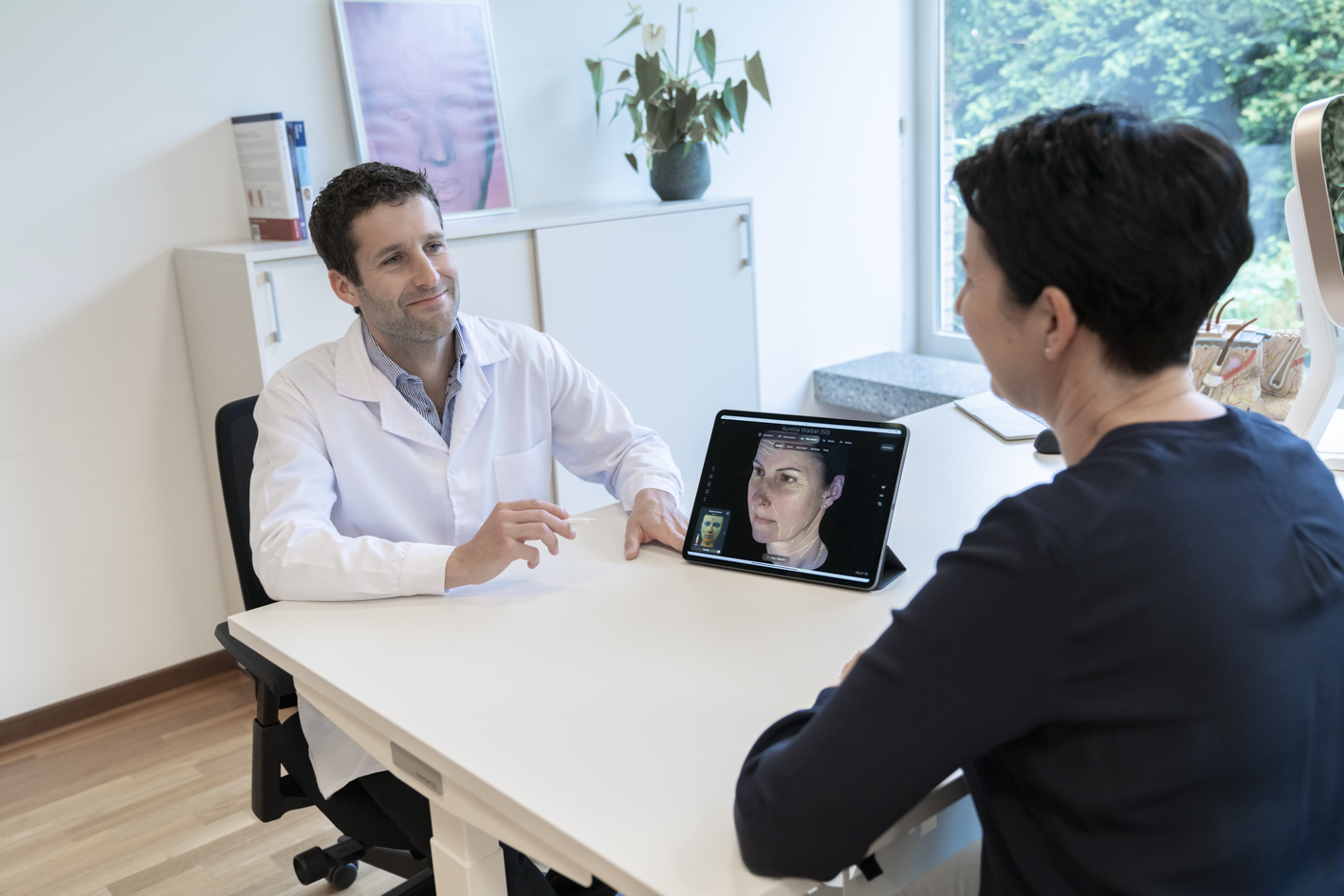
A safe surgical experience isn't a single appointment. It involves a pre-operative consultation, preoperative labs or medical clearance, the procedure itself, and multiple follow-up visits in the weeks after. Traveling hundreds of miles for each of these isn't practical — and when you skip follow-ups, complications can go unaddressed.
2. Access in an Emergency Matters
Complications in plastic surgery are uncommon, but they do happen. If something goes wrong two weeks after your procedure and your surgeon is five hours away, you're either going to an emergency room where providers don't know your case — or making a desperate drive. Local care means immediate access to the surgeon who knows your anatomy.
3. Quality of Facilities and Training Isn't Equal Everywhere
Board certification through the American Board of Plastic Surgery (ABPS) — the only ABMS-recognized certifying body for plastic surgery — requires at minimum six years of surgical training and comprehensive examinations. Our practice operates only at AAAASF-accredited surgical facilities with board-certified anesthesiologists.
4. Local Surgeons Are Accountable to Their Community
A surgeon whose reputation exists in your community has every incentive to deliver excellent results. Out-of-town providers rarely see the long-term outcomes of their work. Local accountability creates a higher standard.
5. Better Follow-Through Means Better Results
The weeks after surgery are when your result is formed. Proper scar management, lymphatic massage, swelling monitoring, and revision planning — when needed — all require access to your surgeon. Patients who complete full post-operative care consistently get better outcomes.