
Choosing a plastic surgeon is one of the most important decisions you'll make. This guide covers board certification, facility standards, what a consultation should feel like — and the red flags to avoid.
Choosing a plastic surgeon is not like choosing a restaurant. The stakes are high — your safety, your result, and years of living with that result all depend on this decision. Here's how I'd approach it if I were the patient.
Start with Board Certification
The American Board of Plastic Surgery (ABPS) is the only American Board of Medical Specialties (ABMS)-recognized certifying body for plastic surgery. ABPS certification requires a minimum of six years of surgical training — including at least three years dedicated to plastic surgery — comprehensive written and oral examinations, and ongoing recertification every ten years.
Be cautious: some practitioners use the title 'board certified' while holding credentials from unrecognized boards. The American Board of Cosmetic Surgery, for example, is not ABMS-recognized. Verify certification directly at abplsurg.org.
Evaluate the Surgeon's Experience
Beyond certification, look at how long the surgeon has been practicing, how many of your specific procedure they perform each year, and whether they have any fellowship training in specialized areas. Fellowship training — post-residency subspecialty training — indicates a surgeon who pursued expertise beyond the standard requirements.
Questions to Ask at Your Consultation
- Are there alternative procedures that might better address my concerns?
- What complications can occur, and how would you manage them?
- Who administers anesthesia, and what are their credentials?
- Where will my surgery be performed, and what is the facility's accreditation?
- May I see before-and-after photos of patients with similar anatomy to mine?
- How many of this specific procedure do you perform per year?
Evaluate the Consultation Experience
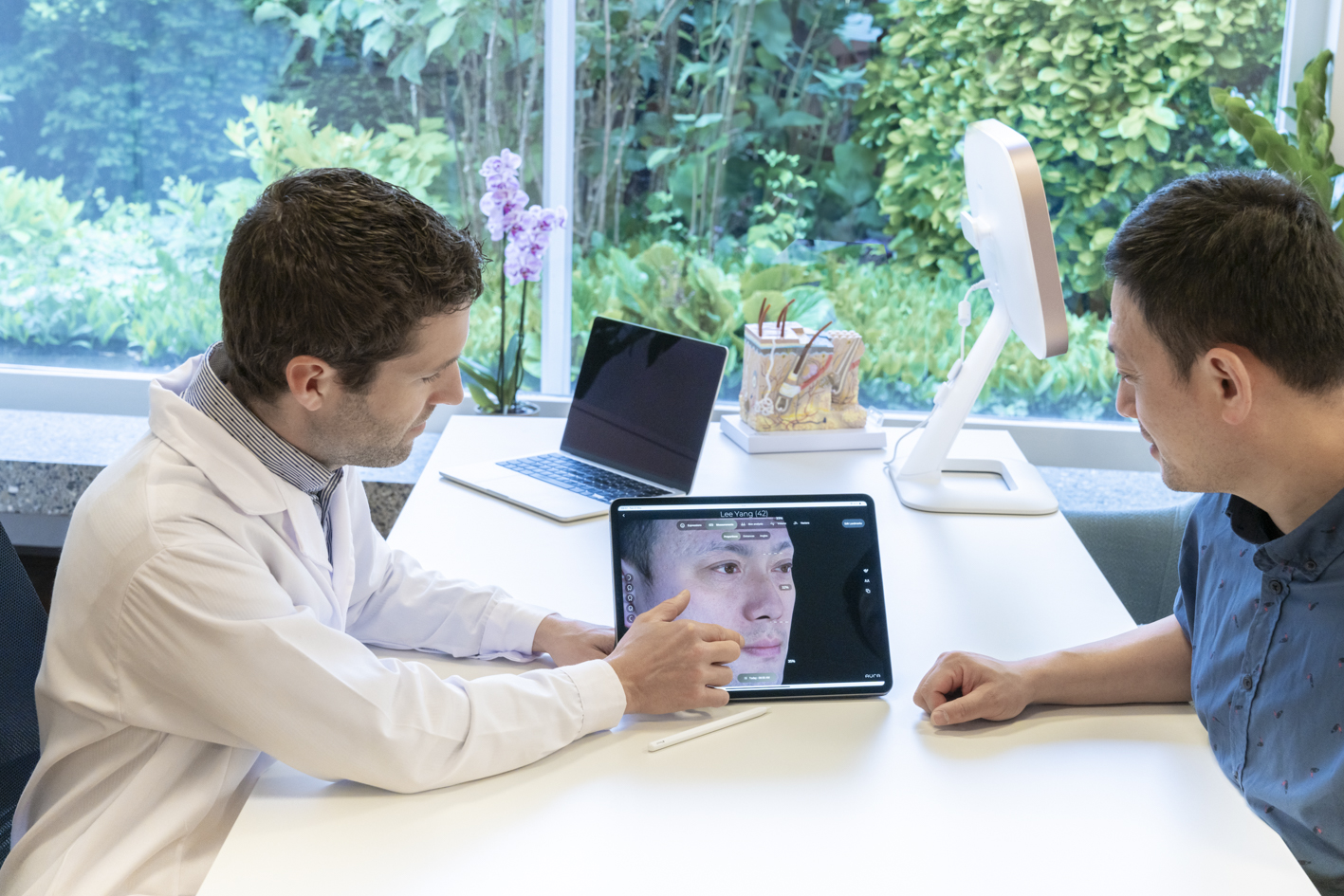
A good consultation feels educational and pressure-free. Positive signs include a surgeon who explains multiple approaches, is willing to discuss complications openly, encourages second opinions, and takes time to understand your goals rather than simply pitching procedures.
Assess Facility Safety Standards
- Surgery should be performed only in accredited facilities (AAAASF, AAAHC, or Joint Commission)
- Anesthesia should be administered by board-certified anesthesiologists or CRNAs
- Clear pre- and post-operative protocols should be explained in writing
- Emergency protocols should be in place at the surgical facility