
Over-the-counter skincare can only do so much. Medical-grade products penetrate deeper, use clinically proven ingredients, and are formulated for real cellular change — here's everything you need to know.
Walk down any drugstore skincare aisle and you'll see hundreds of products promising younger-looking skin. But if you've spent money on moisturizers, serums, and eye creams without seeing real results, you're not alone — and the reason likely comes down to formulation.
What Is Medical Grade Skin Care?
Medical-grade skincare products are formulated with higher concentrations of active ingredients, designed to penetrate below the epidermis and drive measurable cellular change. Unlike retail products — which are regulated differently and must remain stable on a shelf for years — medical-grade lines are available only through licensed medical professionals.
Medical Grade vs. Over-the-Counter: What's the Difference?
- Higher active ingredient concentrations that actually reach the dermis
- Clinically tested formulations with peer-reviewed efficacy data
- Professional guidance to ensure the right products for your skin type
- Advanced delivery systems that protect ingredient stability
- Targeted solutions for specific concerns like acne, pigmentation, and aging
Our Featured Medical-Grade Brands
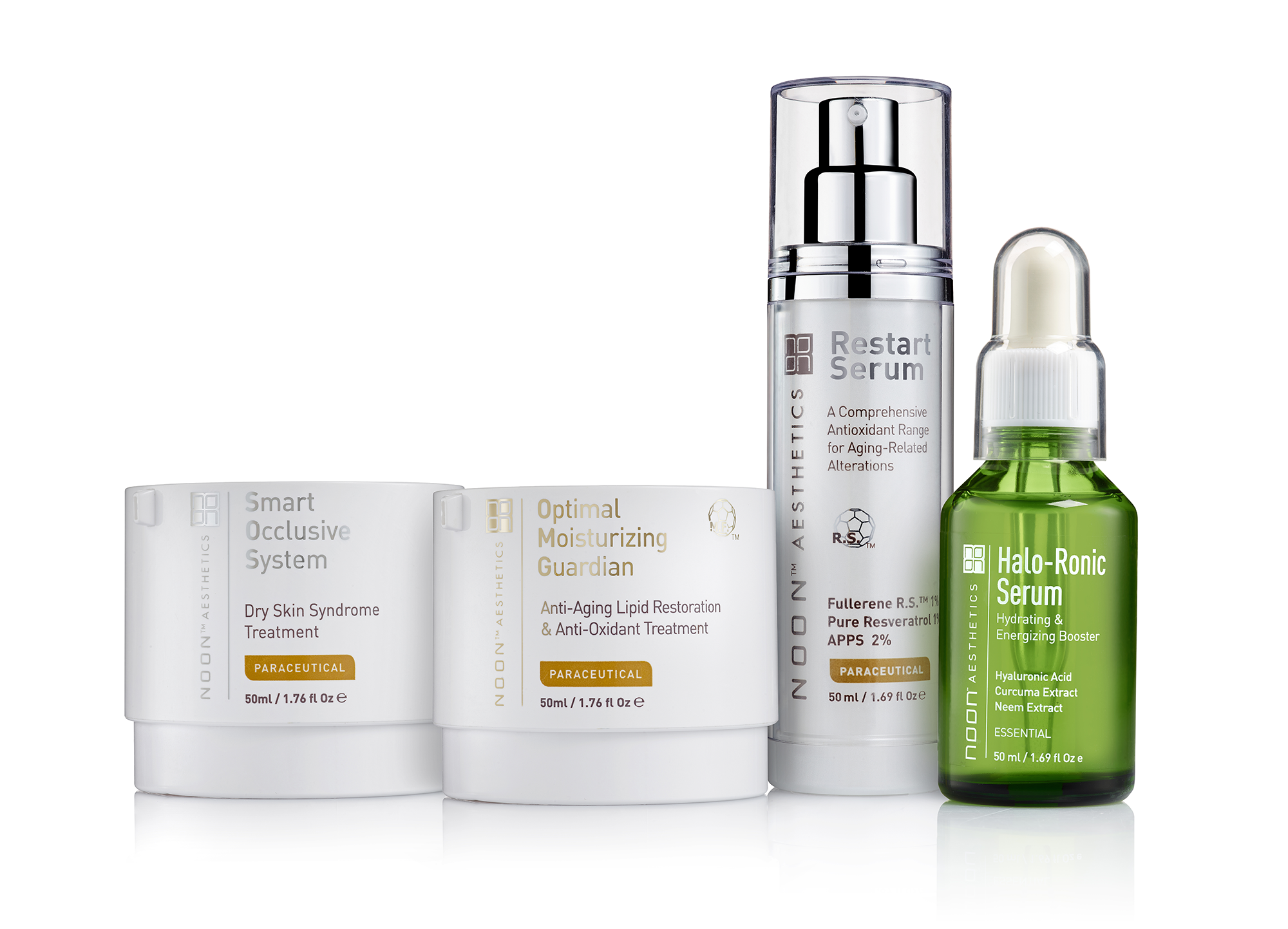
NOON Aesthetics
NOON uses patented DermShield™ technology to enable higher concentrations of active ingredients — including glycolic acid, vitamin C, and retinol — with reduced irritation. Their formulations are designed to be layered into a simple daily routine that delivers visible results without complexity.
Epicutis
Epicutis takes a different approach, focusing on reducing chronic skin inflammation and repairing the lipid barrier. Their star ingredients — bioactive lipids and peptides — address the root causes of premature aging, sensitized skin, and barrier dysfunction.
How to Build a Medical-Grade Routine
- Cleanse: Start with a gentle, pH-balanced cleanser morning and evening
- Treat: Apply targeted serums — vitamin C in the morning, retinol in the evening
- Hydrate: Follow with a moisturizer appropriate for your skin type
- Protect: Finish your morning routine with SPF 30 or higher — every day
- Be consistent: Most medical-grade products deliver visible results in 4–6 weeks