For years, CO2 lasers were considered the gold standard for skin resurfacing. After extensive research and clinical experience, Dr. Poppler explains why Erbium technology — including HALO® TRIBRID™ — delivers superior outcomes with fewer risks.
For years, CO2 lasers were considered the gold standard for skin resurfacing. I recommended them myself. But after reviewing the science and the clinical data, I changed my position — and I want to explain why.
CO2 vs. Erbium: Both Are Ablative Lasers
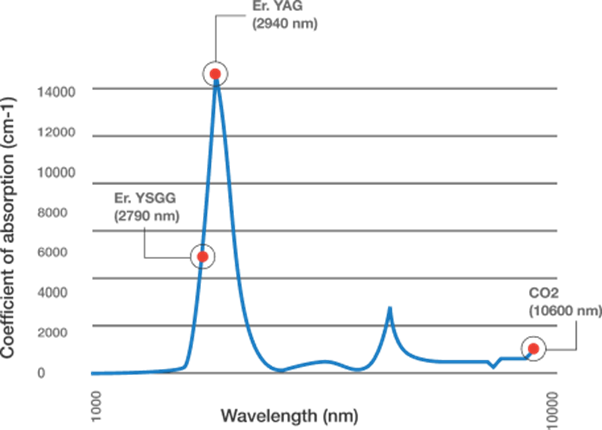
Both CO2 (10,600 nm) and Erbium:YAG (2,940 nm) lasers work by ablating — or vaporizing — the outermost layers of skin. This controlled injury triggers the skin's natural healing response, stimulating new collagen and revealing fresher, more evenly toned skin beneath.
The key difference is how each laser interacts with tissue. CO2 lasers deposit significant thermal energy beyond the ablation zone, while Erbium lasers are far more water-selective, causing dramatically less collateral heat damage.
5 Reasons Erbium Outperforms CO2
1. More Precise Tissue Removal
Erbium at 2,940 nm is absorbed by water approximately 12–18× more efficiently than CO2. This means the laser energy is expended almost entirely on vaporizing the target tissue, with minimal heat spreading to surrounding structures. The result is more controlled, predictable removal — pass by pass.
2. Lower Risk of Pigmentation Changes
Thermal spread from CO2 can trigger melanocyte activity, leading to post-inflammatory hyperpigmentation (darkening) or hypopigmentation (lightening). These complications are particularly common in Fitzpatrick skin types III–VI. Erbium's reduced thermal load significantly lowers this risk, making it safer across a broader range of skin tones.
3. Highly Customizable Treatment Depth
Erbium technology allows precise control from superficial "lunchtime" peels to deep resurfacing treatments — all within the same device. The HALO TRIBRID combines three wavelengths simultaneously, allowing us to address surface texture, dermal pigment, and deep collagen stimulation in a single session.
4. Less Pain During Treatment
Because thermal spread is minimal, most patients require only topical anesthetic cream — not sedation or nerve blocks typically needed for aggressive CO2 treatments. This makes the experience more comfortable and the recovery more manageable.
5. Faster Recovery
Most patients experience redness and swelling for the first two days, skin texture changes through day five, and are presentable by day seven. Mild pinkness may persist for two to three weeks but is easily covered. Compare this to CO2 recovery times of two to four weeks of significant downtime.
Why We Chose Erbium Laser Technology
After thorough research, we selected the HALO® TRIBRID™ system — the world's first three-wavelength fractional resurfacing laser — as our platform of choice. It delivers the precision and safety advantages of Erbium while offering unmatched versatility for treating a wide range of skin concerns.
If you're considering laser skin resurfacing in Boise or Meridian, we'd love to discuss whether HALO TRIBRID is right for your skin. Schedule a consultation at Treasure Valley Plastic Surgery & Medical Spa.