
Facial Procedures
Upper Eyelid
Surgery
Upper blepharoplasty removes excess skin from the upper eyelids to restore a refreshed, youthful appearance — often without general anesthesia, and with minimal downtime.
About the Procedure
Upper blepharoplasty — also called an upper lid lift or upper eyelid surgery — is a common operation in which excess skin of the upper eyelids is removed to give a refreshed, more youthful look. It is performed in both men and women and offers a high return with minimal downtime.
This procedure can be done without anesthesia in the office for appropriate patients, making it easier to schedule and less expensive than other cosmetic surgeries. For patients apprehensive about surgery, Dr. Poppler also offers in-office sedation or surgery in an OR under anesthesia.
Although many surgeons in the Boise, Meridian, Eagle, Nampa, Caldwell, and Treasure Valley area offer upper blepharoplasty, it is important to choose a surgeon certified by the American Board of Plastic Surgery with extensive training in facial aesthetic surgery — like Dr. Poppler — to ensure access to the full range of procedures that best match your anatomy and goals.
Where Are the Scars?
The scar of an upper eyelid blepharoplasty is hidden in the natural crease of your upper eyelid. Excess skin, muscle, and sometimes fat is removed from the upper lid with an elliptical incision carefully planned so that the scar will land at your upper lid crease. The scar is typically invisible when your eyes are open and only very faintly noticeable with the eyes closed.
Am I a Candidate?
Upper blepharoplasty is appropriate for patients who have loose, redundant skin of the upper lids that makes the eyelids look heavy. Women often first notice this when mascara transfers onto their upper eyelid skin. Others may be told they look tired.
Some patients have excess fat near the inner corner of the upper lid and may need a small amount removed. However, many more patients have actually lost fat around their eyes — which is one of the primary contributors to looking older. The bones around the eye also tend to shrink with age, making eye sockets look larger and hollower.
Dr. Poppler will review your younger photos with you and help identify which changes are driving aging around your eyes, then build a plan that matches your goals, budget, and readiness for surgery.
Note: Upper blepharoplasty with skin removal is not appropriate for everyone. Other procedures — such as facelift, mid-face lift, lower blepharoplasty, browlift, fat transfer, or laser resurfacing — may be needed instead of or in addition to skin removal.
The Orbital Oval Theory
Improved understanding of facial aesthetics has led to a more modern approach to eye rejuvenation. Young patients do not have high eyebrows or hollow upper lids — yet older patients often benefit from those changes. Why? The answer lies in the orbital oval theory.
The Orbital Oval Theory
The eye looks best when it sits at the center of an oval formed by your upper cheek and eyebrow. As we age, the cheeks sag as we lose fat and our cheekbones shrink. The bones and fat around the upper eye also shrink, causing the skin, brow, and lid to sag. Surgeons discovered decades ago that the older eye looks better when the brow is lifted and excess skin removed — to match the older, lower cheek. However, better does not mean naturally young looking.
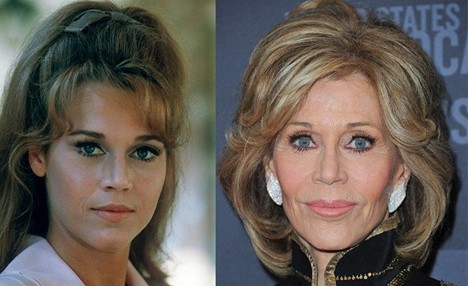
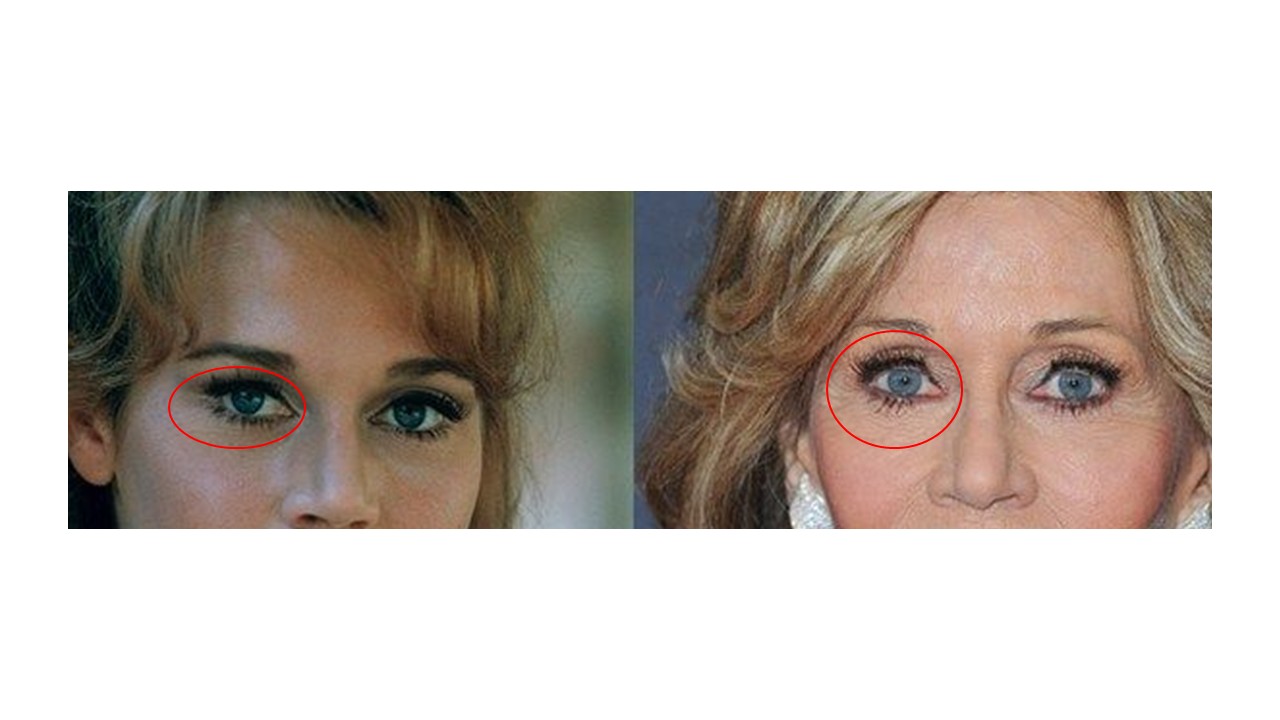
A more complete approach restores the cheek back to its original position with a mid-face lift or facelift and replenishes lost volume with fat transfer. These procedures return the eye to the center of its oval without requiring a brow lift, and restore upper lid fullness at the same time. Dr. Poppler helps you understand all of these options so together you can choose the right combination for your anatomy and goals.
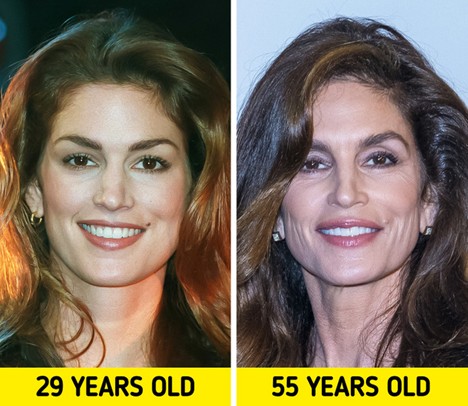
Here is another example of hollow upper lids:
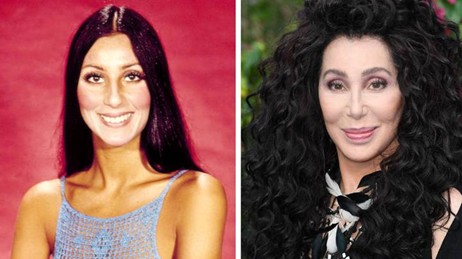
Here is another example:
Fat Transfer
Fat transfer, or fat grafting, is a procedure that involves removing fat from an area of the body where you don't want it with liposuction, processing that fat to remove injured fat cells that won't live and non-fat tissues, then injecting that fat in areas where you want more fullness. This is a very common and safe operation. Dr. Poppler has extensive experience performing fat transfer and commonly uses it in the face. In general, about 70–80% of the fat transferred to the face will survive and will permanently add volume.
This is a very good option for men and women who have fat they would like to get rid of on their abdomen and flanks and who want a more youthful look to their face. This is not a good operation for very thin patients who do not have fat that can be removed. However, newer donor fat options (allografts made from fat tissue donated by screened human tissue donors) are available at Treasure Valley Plastic Surgery & Medical Spa for thin patients interested in fat transfer. Fat transfer to the face can be done in the office with mild sedation, or in the OR on its own or in combination with other procedures.
Non-Surgical Options
For patients with mild excess skin of the upper lid, carbon dioxide (CO2) or other fractional ablative lasers can be used to mildly tighten the skin without decreasing upper lid volume. This is a popular option for young patients who don't yet feel ready for surgery. However, ablative lasers can be more uncomfortable than surgery during recovery and may take longer to fully heal. Dr. Poppler and our providers at Treasure Valley Plastic Surgery & Medical Spa can talk you through this option and help you decide the best procedure for you.
Men vs. Women
The same processes contribute to looking older in men and women, but important differences in anatomy and social expectations change how surgery should be approached.
Women
- Broader acceptable range of aesthetic outcomes
- More upper lid hollowness due to bone loss
- Greater distance between lash line and lid crease
- Often benefit from combined fat transfer
Men
- Restoration of natural anatomy is paramount
- Stronger bony brow — less upper lid hollowness
- Shorter lash-to-crease distance
- Must avoid feminizing the lid or raising the brow unnaturally
Dr. Poppler has extensive experience treating aging around the eyes in men and women, and spends considerable time reviewing your younger photos with you to plan a restoration of your natural appearance. He also has extensive experience with adult transgender patients seeking to masculinize or feminize their face, making him highly attuned to the subtle anatomical differences between genders.
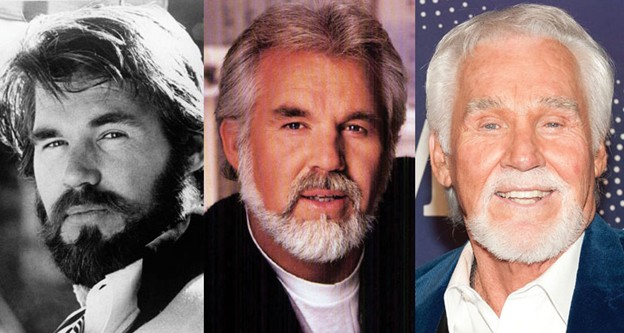
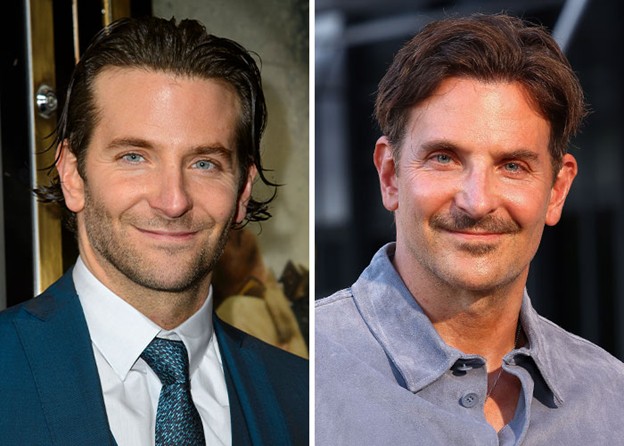
Examples of poorly done upper lid surgery in men:
Where to Start
In general, addressing the primary driver of your eye looking older is the best place to start:
Excess upper lid skin
Start with upper eyelid blepharoplasty to remove redundant skin.
Significant fat loss around the eyes
Start with fat transfer to the face to restore volume.
Sagging cheeks and lower lid concerns
Start with lower blepharoplasty or facelift to lift the midface.
Dr. Poppler will guide you through these options, share his observations, and help you decide. Many of these procedures can be combined at the same time.
Why Patients Choose This
Why Patients Choose Upper Eyelid Blepharoplasty
Why Patients Choose Fat Transfer Around the Eye
Possible Complications
Upper Eyelid Blepharoplasty
Fat Transfer Around the Eye (all rare)
- Uneven contour where fat is removed
- Uneven fullness around the eye
- Need for additional fat transfer to achieve goals
- Persistent swelling
- Firm lumps (fat necrosis or oil cysts)
Risks are higher in patients with smoking, poor nutrition, auto-immune diseases, or blood-thinning medications. Dr. Poppler will carefully review your risk factors and help you modify them where possible. At Treasure Valley Plastic Surgery, your safety is our number one priority.
Should I Lose Weight First?
If you are significantly overweight, you may not be a good candidate for an elective surgery and Dr. Poppler may recommend you lose weight prior to surgery so that he can give you a better result and decrease your risks. Best results are achieved when you are at the weight you intend to stay at. Losing weight before surgery is not helpful if you think you will gain it right back. Similarly, doing surgery before losing weight produces a suboptimal result because your skin will loosen again and the tissues around your eye may change. For this reason, it is best to lose weight before eyelid surgery if you intend to lose weight or if you are significantly overweight, but otherwise you should have surgery when you are at a stable weight you are happy with.
Recovery
Recovery from upper eyelid blepharoplasty usually takes about 1–2 weeks before you feel comfortable being out in public and 6–8 weeks for swelling to completely resolve. Most patients return to light activities within 1–2 days, and work in 1 week. Return to most exercise is possible about 1 week after surgery. You will need to sleep with your head elevated for 1–2 weeks. Swelling is typically mostly gone in 3–6 weeks but will come and go for about 3 months. If you have liposuction and fat transfer, swelling will be more severe and persistent than if you have an upper eyelid blepharoplasty by itself.
Is It Safe?
Upper eyelid blepharoplasty surgery is generally very safe when performed on appropriate patients by a board-certified plastic surgeon. Like all surgeries, there are risks such as asymmetry, poor scarring, upper eyelid hollowness, unnatural appearance, lumps, or pain. Choosing an experienced surgeon like Dr. Poppler, following his advice to modify any risk factors before surgery, and following aftercare instructions lowers these risks and improves results.
To find out whether upper eyelid surgery is right for you, schedule a consultation with Dr. Poppler by calling (208) 753-2400.
Treasure Valley Plastic Surgery