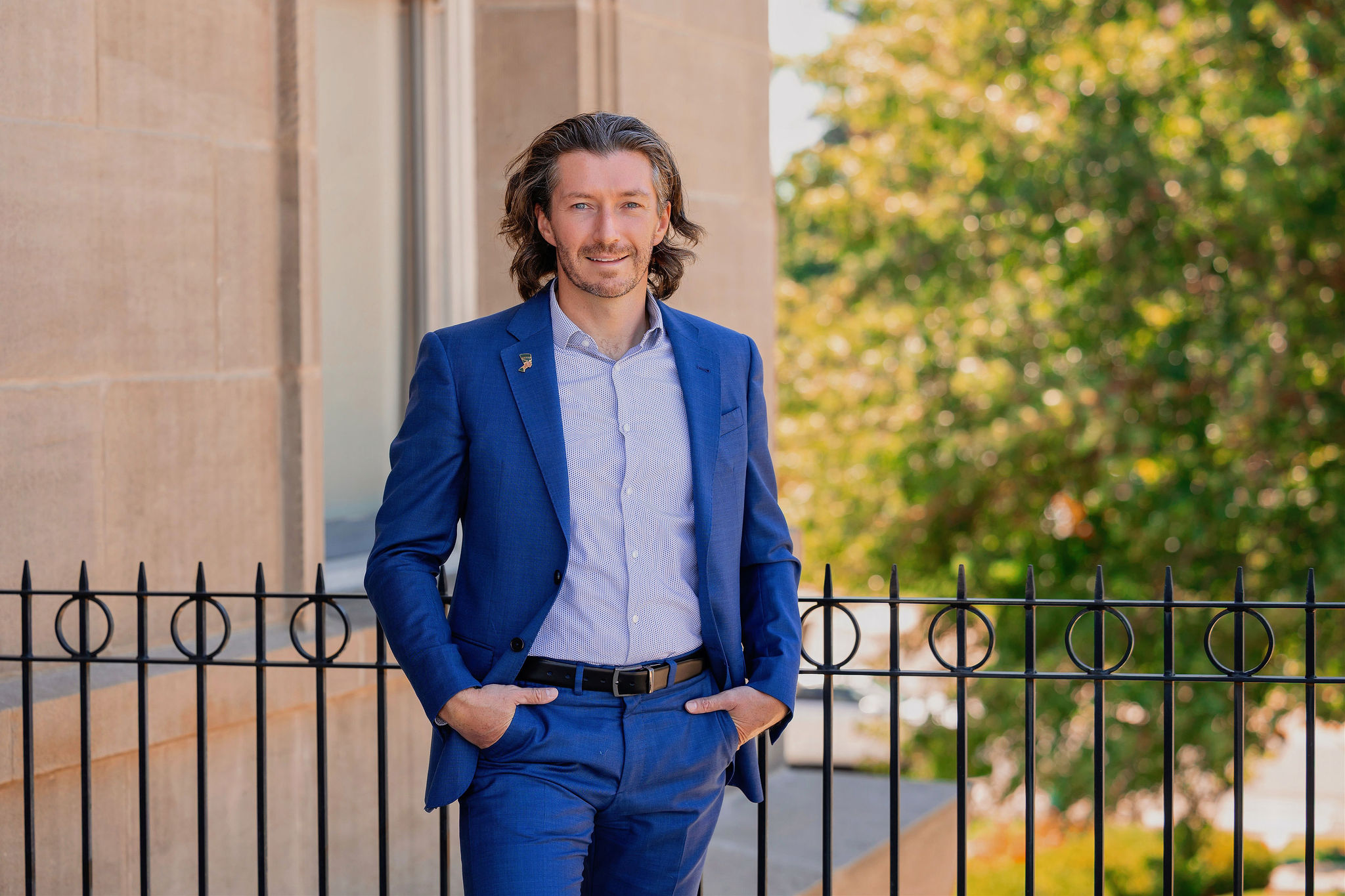
Meridian, Idaho — Board-Certified Plastic Surgery
Look and feel
your very best.
We are a full-service plastic surgery practice and medspa offering effective, curated solutions for men and women. We thoroughly vet every service we offer — so you can trust you're getting safe, affordable treatments that fit your lifestyle.
Conveniently located in Meridian, we serve patients across the Treasure Valley, Idaho, and Oregon — including Boise, Eagle, Nampa, Caldwell, and Canyon County. All doctors are board-certified and fellowship trained, and every provider holds extensive cosmetic and aesthetic training.
Board-Certified
Fellowship Trained Surgeon
Since 2025
Serving the Treasure Valley
Boise Native
Community-Rooted Care
Surgical Procedures
Precision surgery,
personal results.
Every procedure is tailored to your anatomy and aesthetic goals — never a template, always a collaboration.

Face
Restore youthful contours and refined definition with precision surgical techniques tailored to your natural beauty.

Breast & Body
Achieve the silhouette you envision with artful body contouring and breast procedures performed with expert care.

For Men
Purpose-built procedures addressing the distinct aesthetic goals of our male patients — subtle, natural, confident.
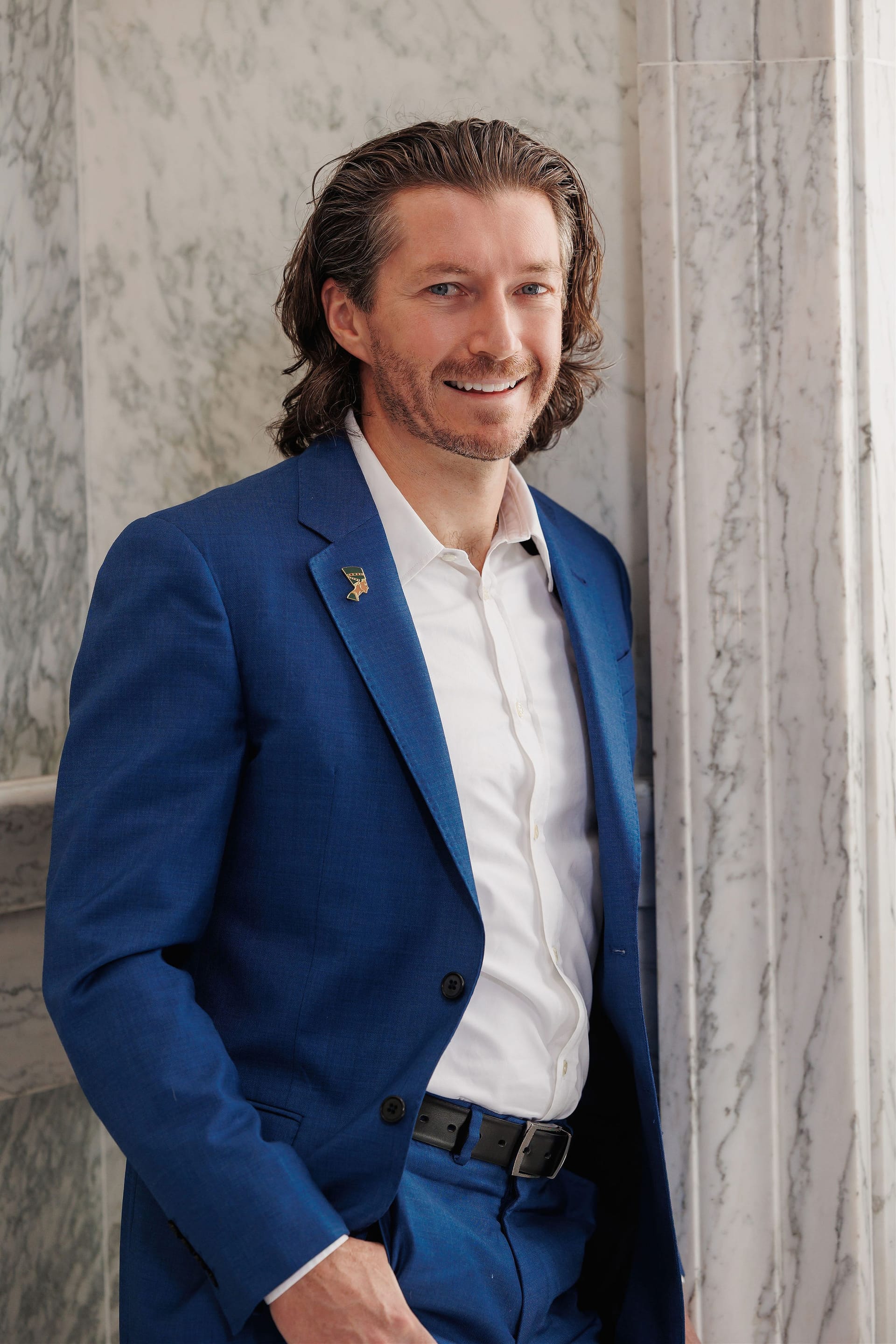
Board Certified
American Board of Plastic Surgery
Meet the Surgeon
Dr. Louis Poppler
A proud Boise native, Dr. Poppler returned home in 2019 to practice at St. Luke’s, serving the community where he grew up. In 2025, he took the next step in his career, establishing Treasure Valley Plastic Surgery with the help of his husband and business partner. With extensive training in plastic and reconstructive surgery, Dr. Poppler is dedicated to providing personalized, compassionate care and achieving natural, lasting results for the community he proudly calls home.
Fellowship-trained and board-certified by the American Board of Plastic Surgery, Dr. Poppler approaches each patient with meticulous attention to anatomical harmony — the conviction that the best surgical outcomes are the ones nobody can quite place.
Patients across Boise, Eagle, Nampa, Caldwell, and the broader Treasure Valley trust Dr. Poppler not only for his surgical skill, but for the candid, unhurried consultations that begin every patient relationship.
Medical Spa
Non-surgical
refinement.
The same standards and precision as our surgical suite — applied to a full spectrum of curated, safe, and effective non-invasive treatments.

Services
A curated menu of non-invasive and minimally invasive treatments — each vetted for safety, efficacy, and value.

Laser Treatments
Advanced laser technology for resurfacing, pigment correction, skin tightening, and scar revision.

Injectables
Expertly administered injectables for natural, refreshed results — from neuromodulators to biostimulators.

Medical Grade Skin Care
Pharmaceutical-grade skincare lines selected for their clinical efficacy and compatibility with your treatments.
Our Team
The people behind your care
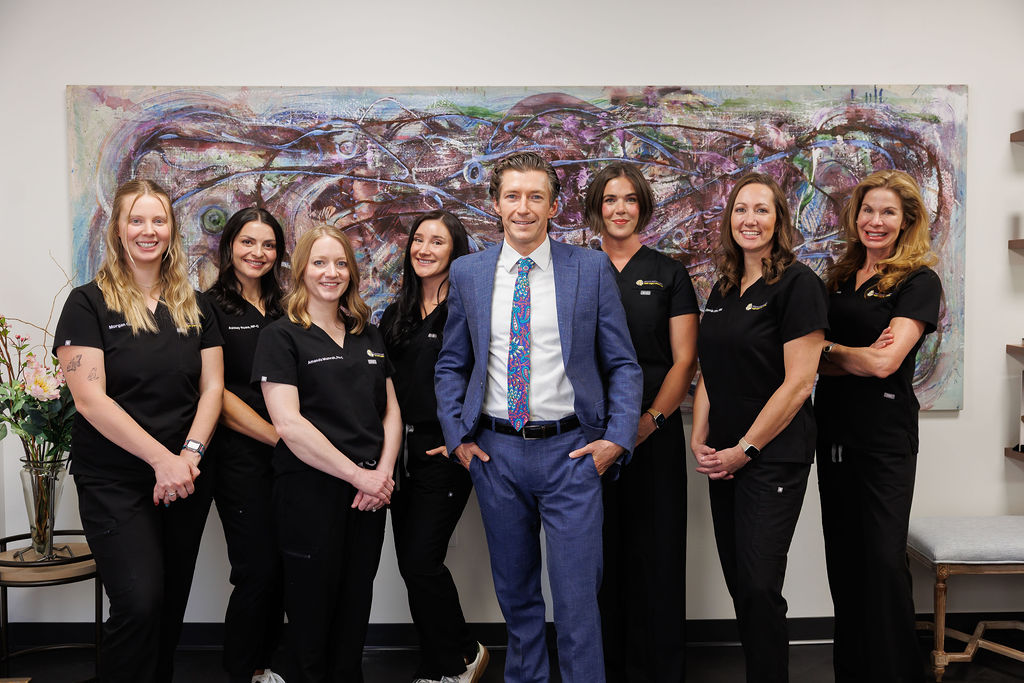
Treasure Valley Plastic Surgery
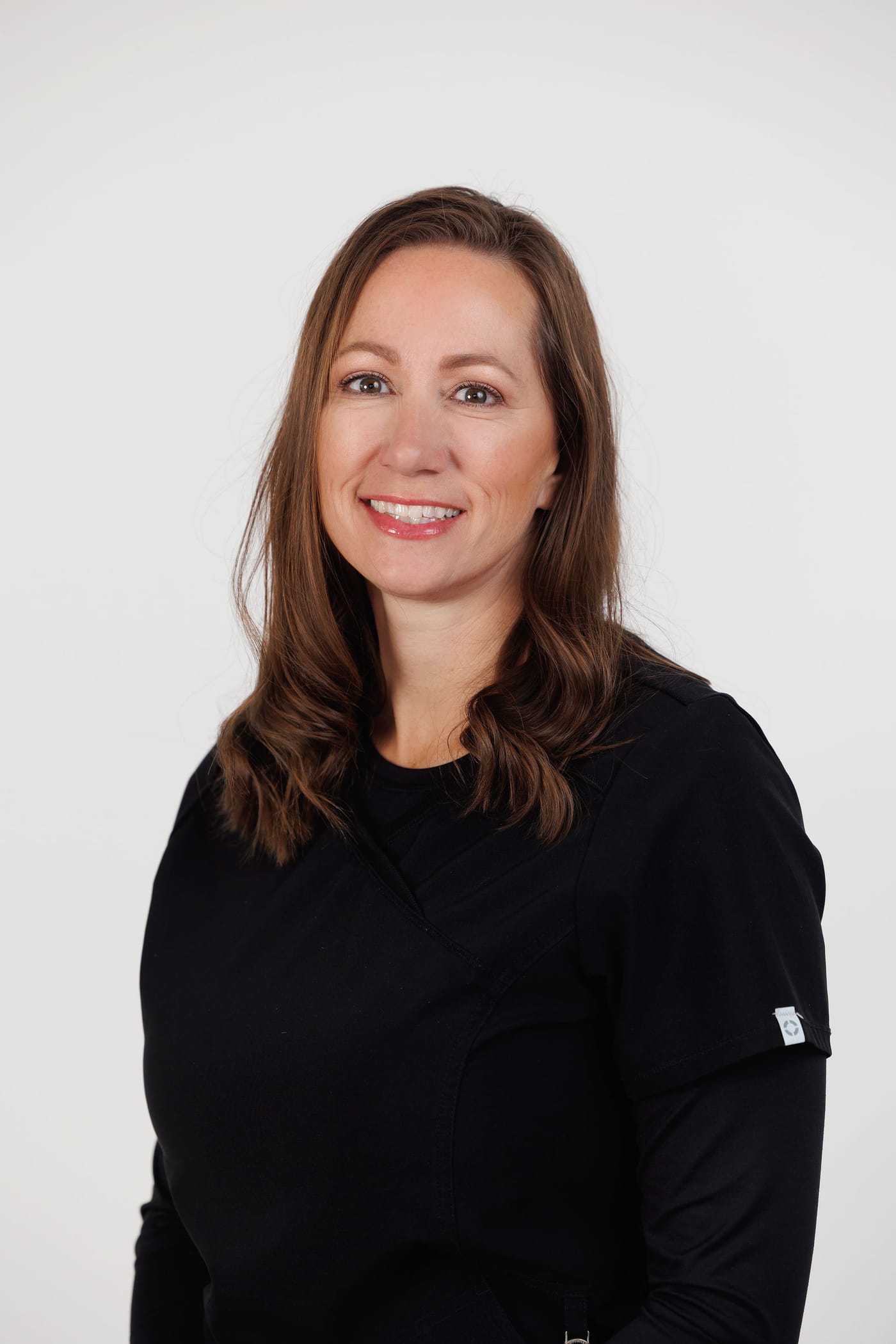
Office Manager, RN
Corrie Cox
Corrie is a registered nurse with over twenty years of experience in patient care. She has worked in cardiology, critical care, and most recently, in plastic surgery.
At our practice, Corrie combines her strong clinical background with a warm, patient-centered approach, helping guide individuals through every step of their surgical experience with knowledge and compassion.
Outside of work, Corrie loves spending time with her husband and family. She enjoys hiking and biking and being outdoors. She especially loves summer and anything that involves sun and water.
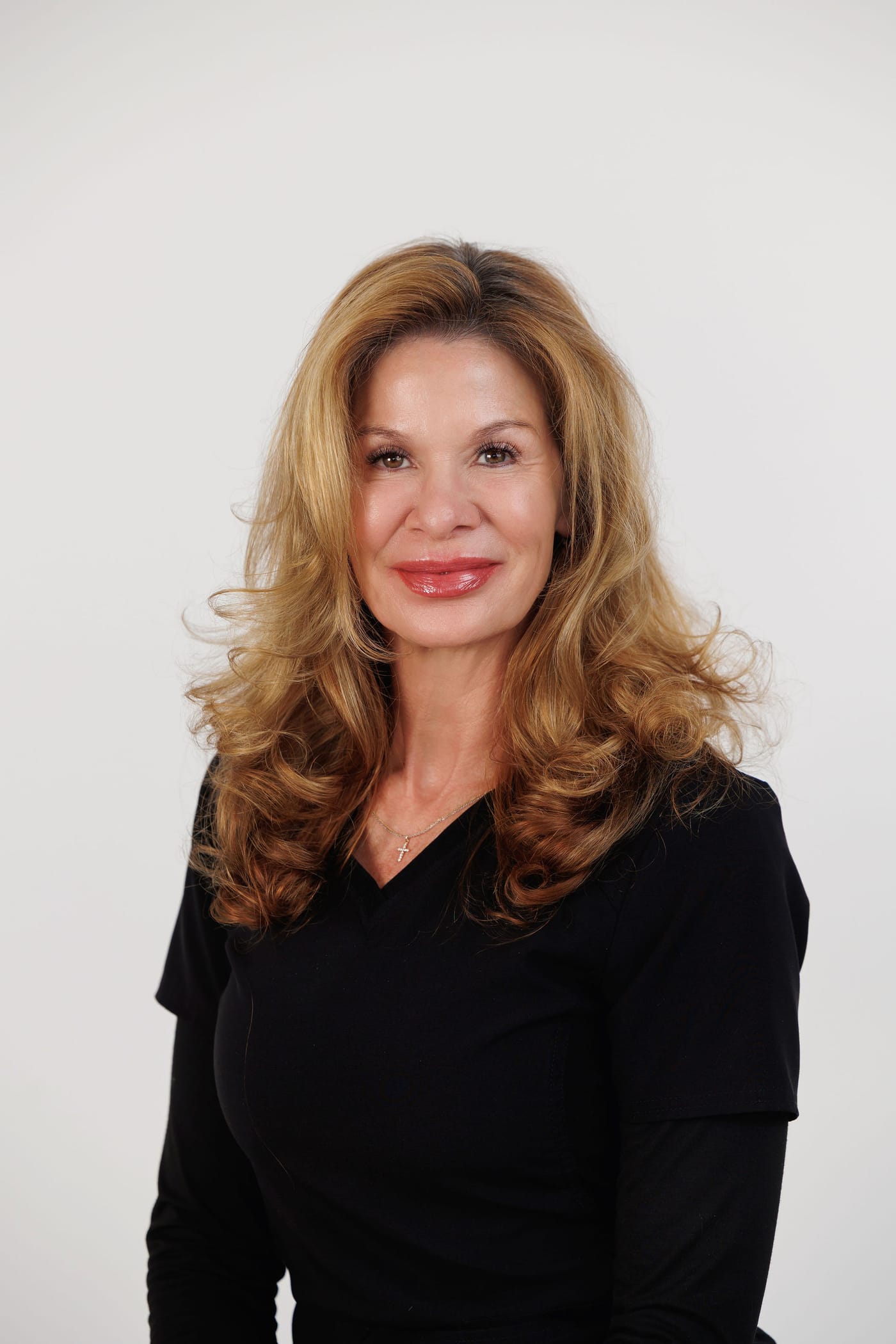
Medical Assistant
Sally Giles
Sally began her career in medicine as an Air Force Medic, gaining broad hands-on experience across many areas of care. After serving both stateside and abroad, she embraced the chance to stay home and raise her four children. As the empty-nest years approached, Sally was invited to join a direct primary care start-up — a role that ultimately opened the door to her current work in medical aesthetics.
Outside of work, Sally loves sunshine, the outdoors, gardening, fitness, and all things design. She's happiest spending time with her faithful dog Rex and surrounding herself with friends, children, and grandchildren.
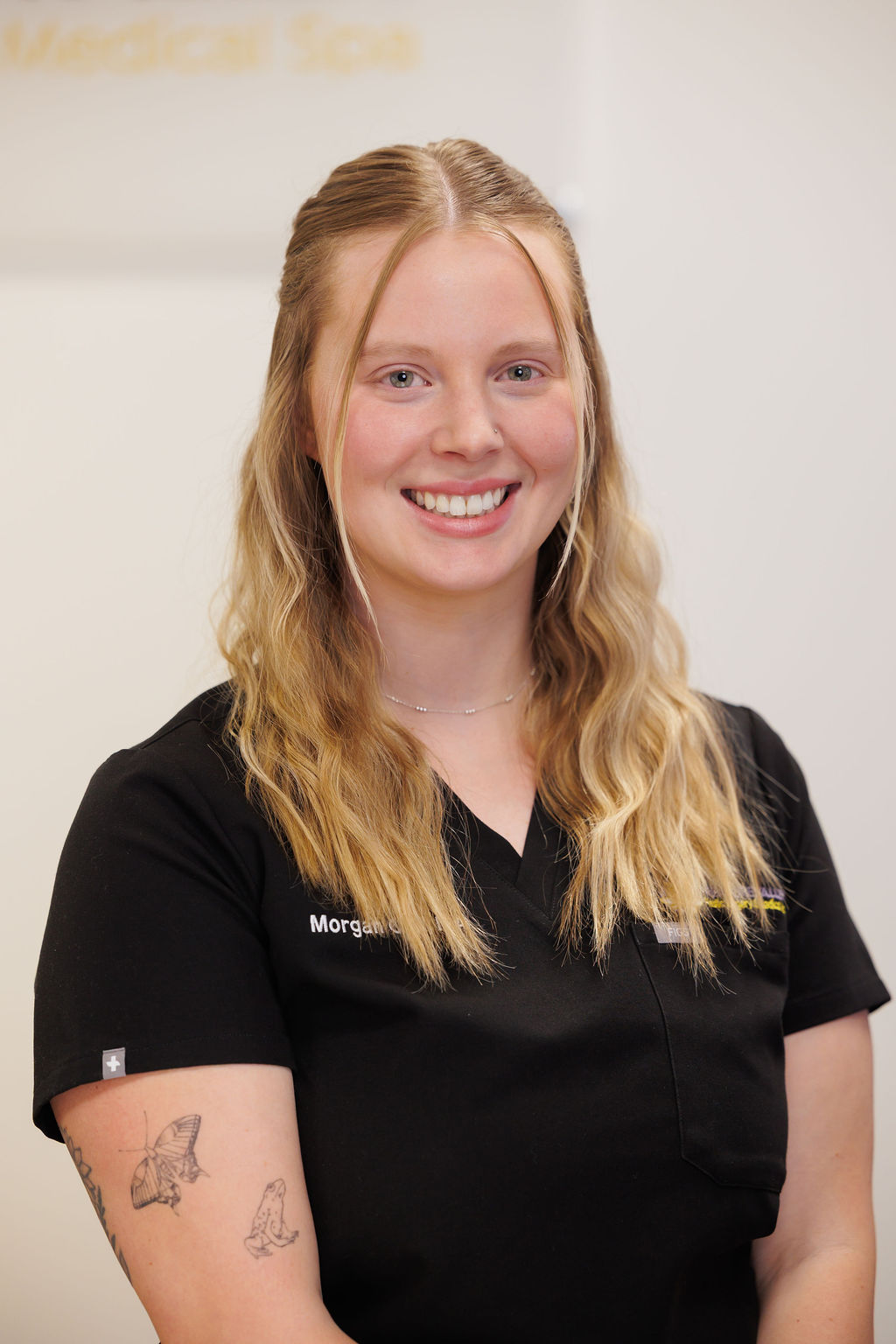
Medical Assistant
Morgan Cox
Morgan brings dedication and a compassionate touch to every patient interaction, supporting the surgical team and ensuring each visit is smooth, comfortable, and welcoming.
Treasure Valley Medical Spa
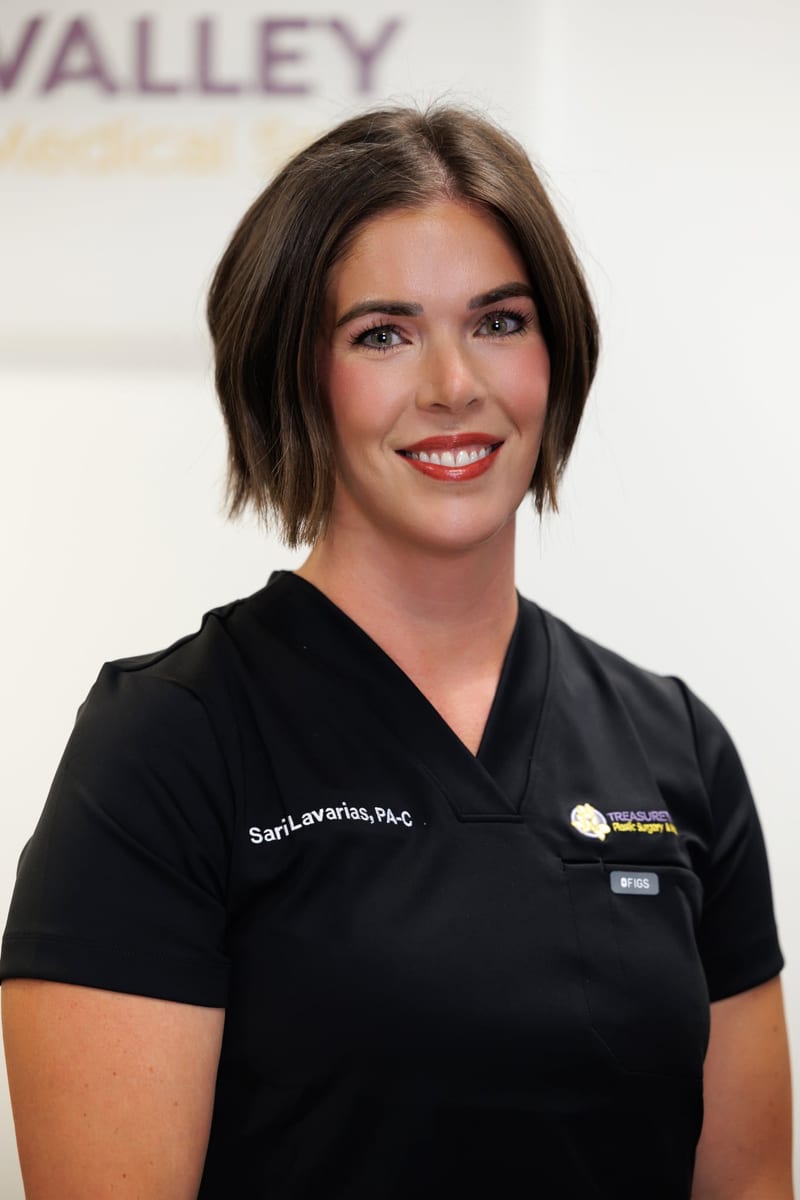
PA-C — Medspa Manager
Sari Lavarias
Sari is a board-certified Physician Assistant with extensive training in cosmetic and aesthetic medicine. As Medspa Manager, she leads our team with clinical expertise and a passion for helping patients achieve natural, confidence-boosting results.
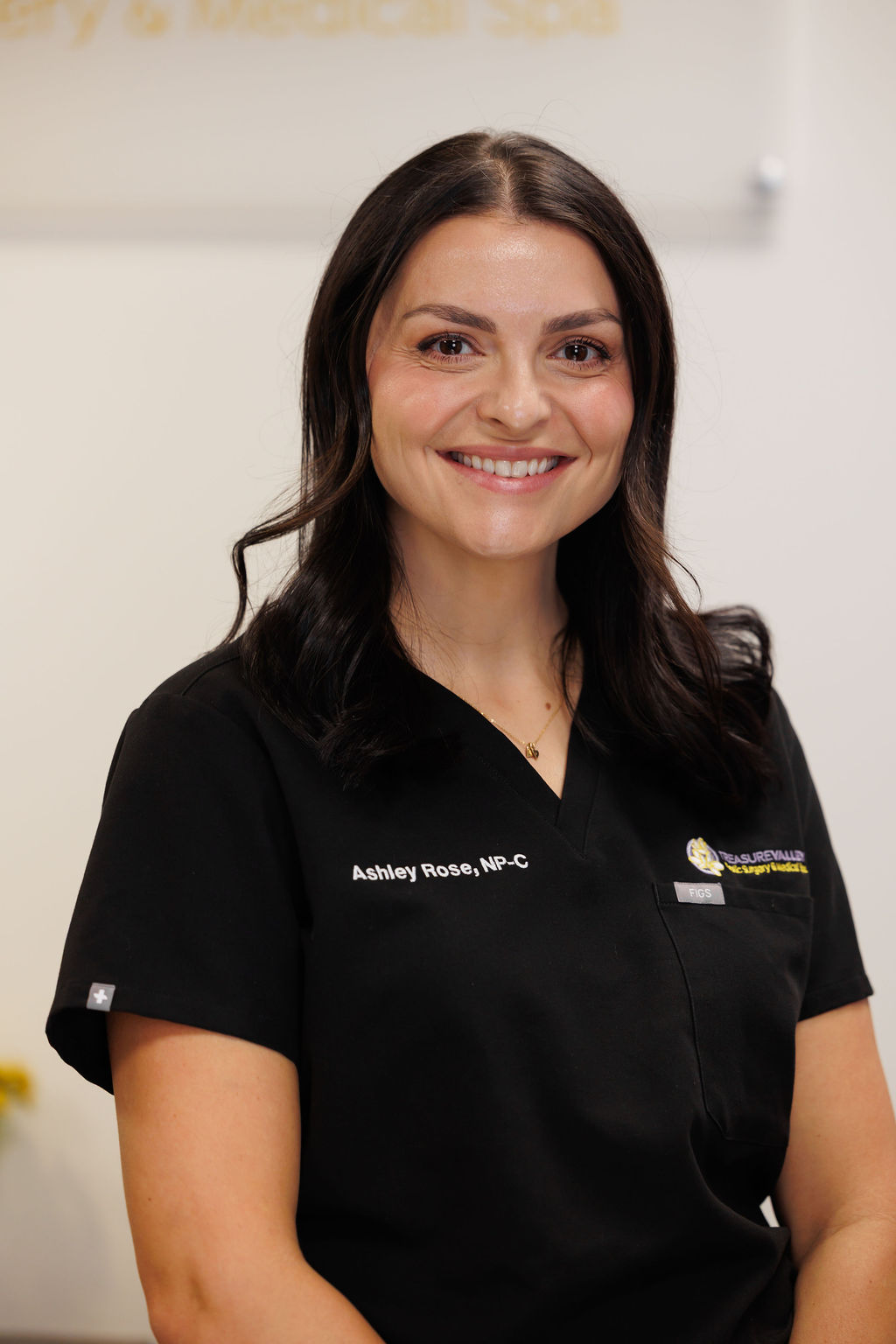
NP — Medspa Provider
Ashley Rose
Ashley is a Nurse Practitioner with a strong foundation in aesthetics and patient-centered care. She brings a thoughtful, individualized approach to every treatment, ensuring outcomes that feel authentic to each patient.
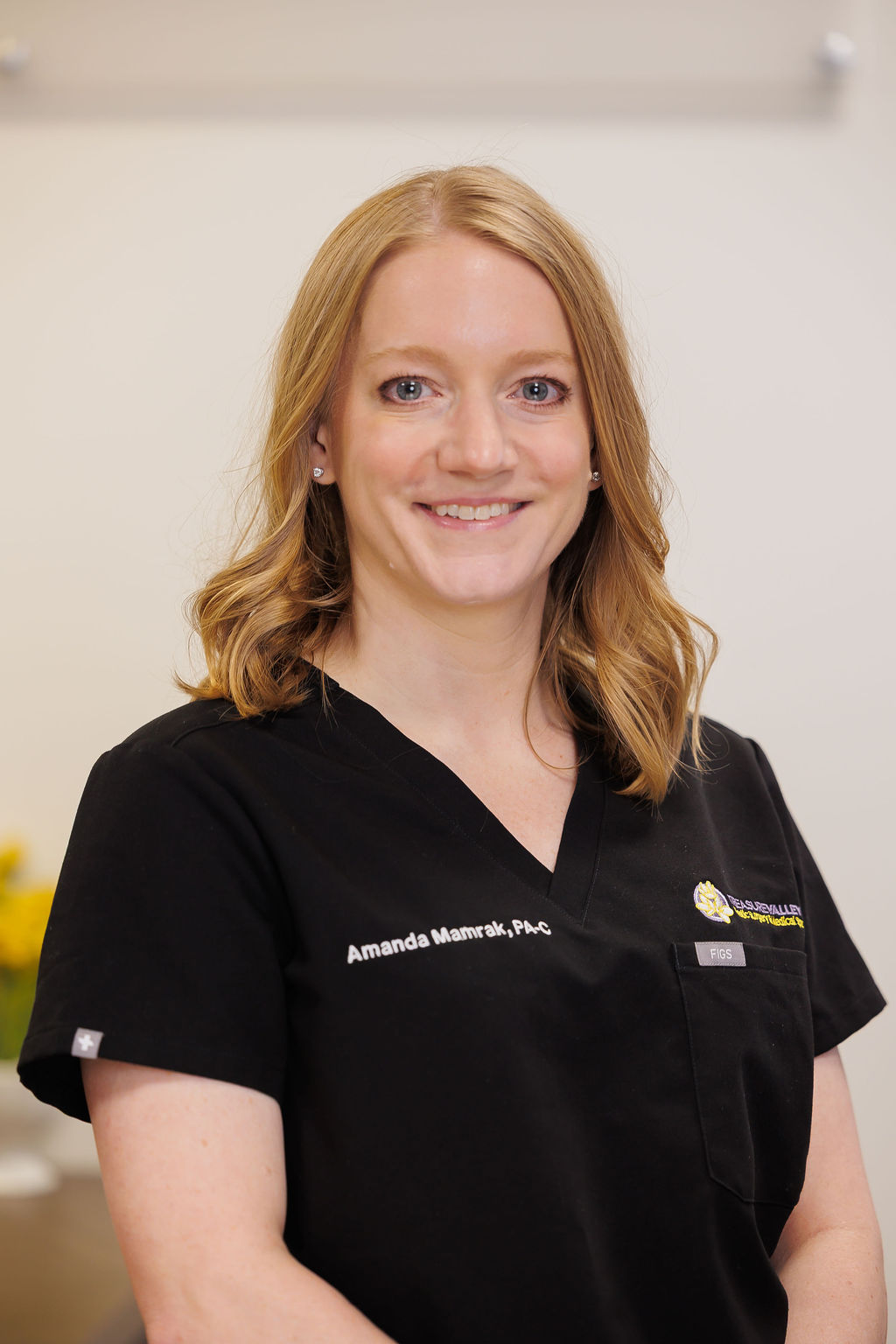
PA-C — Medspa Provider
Amanda Mamarak
Amanda is a certified Physician Assistant with specialized training in medical aesthetics. Her precise technique and genuine warmth make patients feel at ease from consultation through treatment.
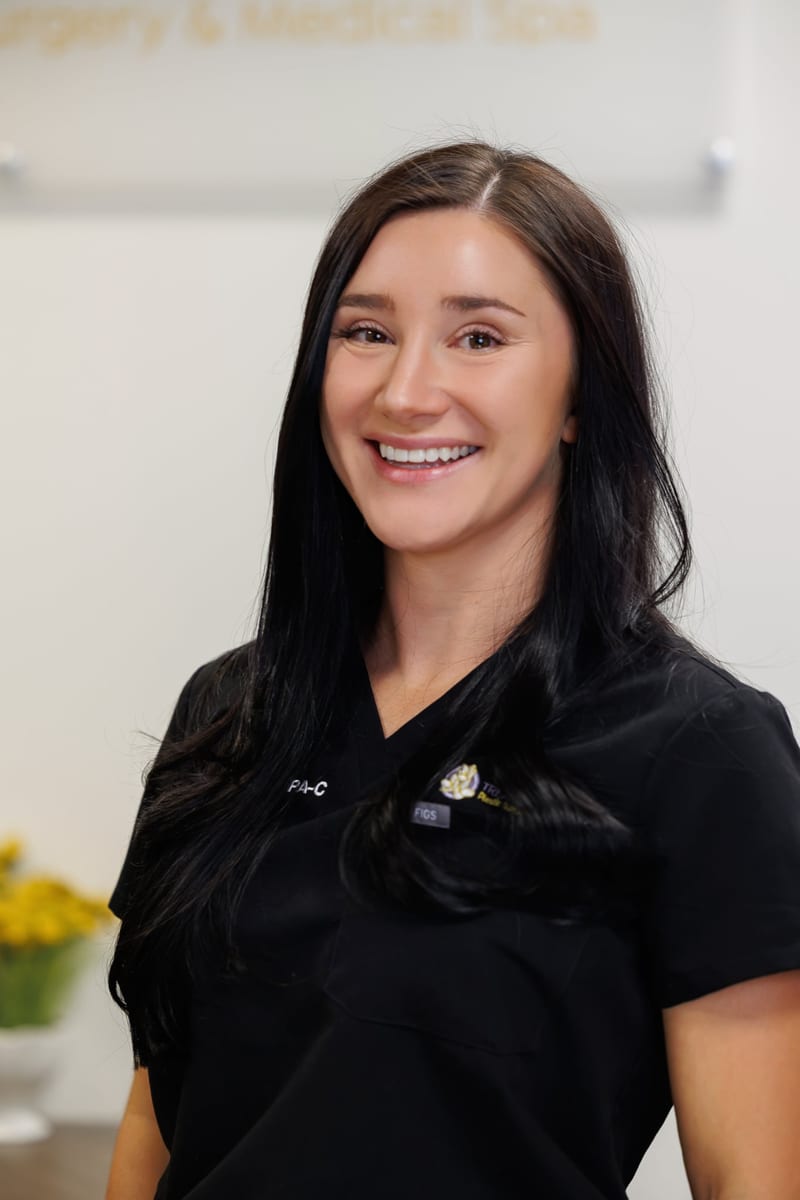
PA-C — Medspa Provider
Niki Cafarreli
Niki is a certified Physician Assistant whose passion for aesthetic medicine is matched by her commitment to safety and natural results. She works closely with each patient to design treatments tailored to their unique goals.
Patient Financing
Investing in yourself,
on your terms.
We partner with leading financing providers to make your goals achievable — with flexible plans designed around your life.
Get in Touch
Begin your journey
with confidence.
Your first consultation is a conversation — unhurried, honest, and entirely focused on understanding your goals.
(208) 753-2400
(208) 266-6284
3277 E. Louise Dr., Suite 375
Meridian, ID 83642
Serving Boise · Eagle · Nampa · Caldwell · Meridian and beyond